
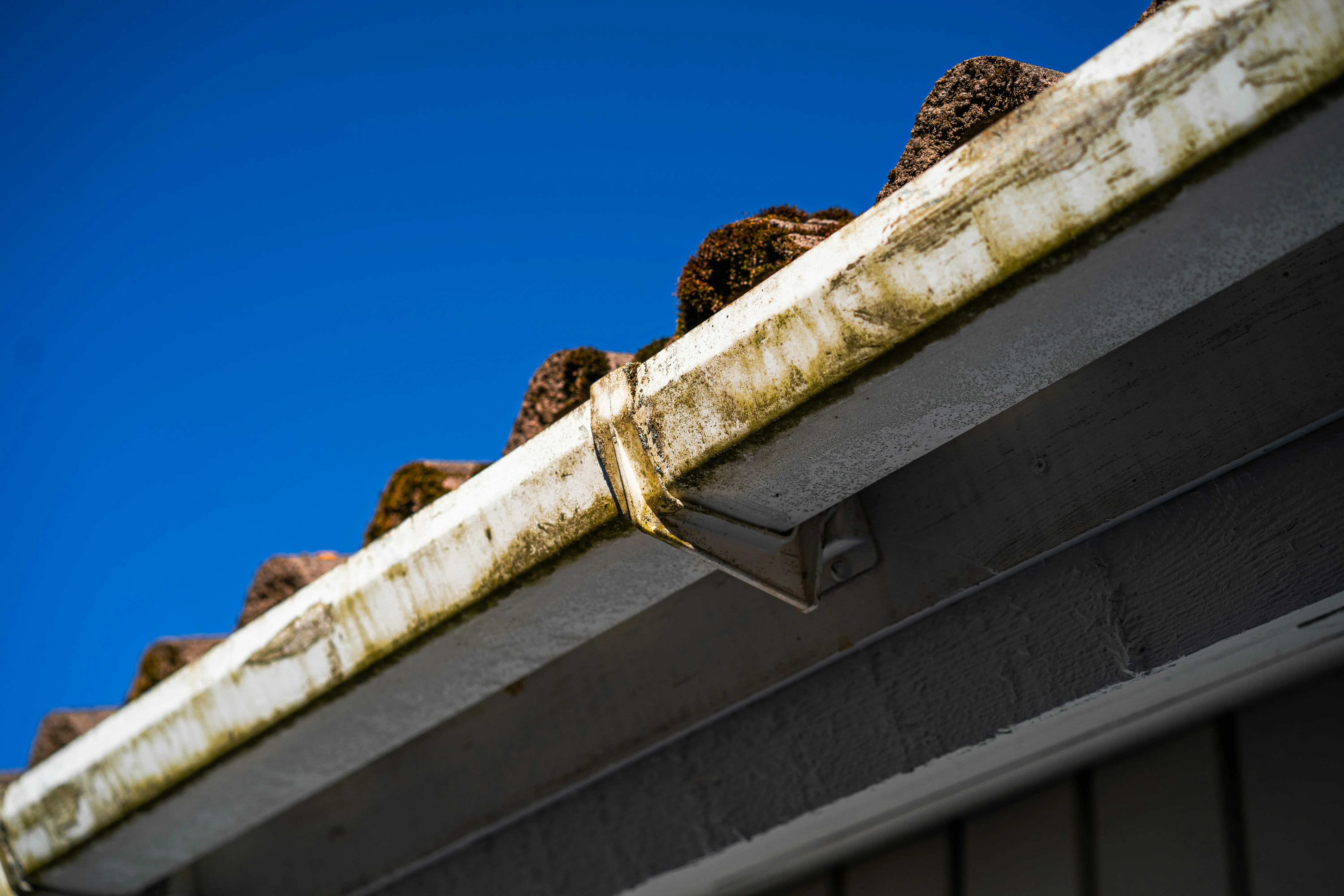
Mold can hide in your home for months or even years before you notice it. By the time you spot visible growth, the problem has often spread to areas you can’t see.
Understanding the warning signs helps you catch mold early, protecting both your family’s health and your property value.
Related: Capital Gains Tax on Inherited Property: A Complete Guide for Heirs
Visible Indicators and How to Detect Mold in a House
The most obvious signs of mold in the house are the ones you can see with your eyes. However, mold doesn’t always look the way you might expect.
Discoloration and Staining Patterns
Look for unusual spots or stains on walls, ceilings, and floors. Mold appears in many colors including black, green, white, orange, and even pink.
Water stains often indicate moisture problems that lead to mold growth. These stains might look like brown or yellow rings on ceilings and walls.
Pay attention to corners where walls meet ceilings, as moisture tends to collect in these areas.
Fuzzy or Slimy Growth on Surfaces
Mold often has a fuzzy or velvety texture that stands out from the surface it’s growing on. Some types of mold look slimy or wet.
Check bathroom grout, window sills, and basement walls for unusual growth. Mold can appear suddenly after water damage or develop slowly in consistently damp areas.
Don’t ignore small spots thinking they’re just dirt. Even minor mold growth indicates a moisture problem that needs attention.
Black Mold Symptoms in Home Appearance
Black mold, scientifically known as Stachybotrys chartarum, appears as dark greenish-black patches. It typically grows in areas with constant moisture.
This type of mold often feels slimy when wet and powdery when dry. All molds should be treated seriously, not just black mold.
Common locations include behind bathroom tiles, under sinks, and in poorly ventilated areas.
Sensory Warning Signs of Hidden Mold

Some of the most telling signs of mold in the house come from your senses rather than visual inspection. Your nose and body often detect mold before your eyes do.
Persistent Mold Smell in the House
A musty, earthy odor is one of the clearest indicators of hidden mold. This smell comes from microbial volatile organic compounds that mold releases as it grows.
The mold smell in the house often seems stronger in certain rooms or after rain. Basements, bathrooms, and laundry rooms commonly develop this distinctive odor.
If you notice the smell but can’t find visible mold, check inside walls, under flooring, or in your HVAC system.
Increased Allergy or Respiratory Symptoms
Watch for unexplained sneezing, coughing, or congestion that improves when you leave the house. Mold spores can trigger allergic reactions even when you can’t see the source.
Some people experience headaches, fatigue, or difficulty breathing in homes with mold. Children and people with asthma are particularly sensitive to mold exposure.
If multiple family members develop similar symptoms at home, mold could be the culprit.
Unexplained Musty Odors
Sometimes the smell of mold doesn’t match what you’d expect. It might smell like rotting wood, wet paper, or damp earth.
These odors often intensify in humid weather or when you run the heat or air conditioning. Your HVAC system can spread mold spores and odors throughout your home.
Trust your nose if something smells off, even if you can’t identify exactly what the smell is.
Environmental Clues and Toxic Mold Warning Signs
Understanding the conditions that promote mold growth helps you identify hidden mold signs. Mold needs moisture to survive, so water-related issues are major red flags.
Water Damage or Leaks
Any past or present water intrusion creates perfect conditions for mold. Check for water stains, warped flooring, or bubbling paint.
Roof leaks, plumbing problems, and foundation cracks all introduce moisture that leads to mold.
Inspect areas around windows, pipes, and appliances that use water for signs of leaks or condensation.
High Humidity Levels
Indoor humidity above about 60% encourages mold growth throughout your home. Bathrooms, kitchens, and basements are particularly vulnerable.
You might notice condensation on windows, damp walls, or a generally clammy feeling in certain rooms. Poor ventilation makes humidity problems worse.
Consider using a hygrometer to measure humidity levels in different areas of your house.
Condensation on Windows and Walls
Regular condensation indicates excess moisture that can lead to mold. Water droplets on windows, especially in winter, suggest ventilation problems.
Wet walls or ceiling tiles point to serious moisture issues that require immediate attention. This moisture creates an ideal environment for toxic mold warning signs to appear.
Check behind furniture and in closets where air doesn’t circulate well, as these spots often develop condensation you won’t notice right away.
Get Expert Help Identifying Hidden Mold Signs With Keith McNeely Homes

Recognizing signs of mold in the house is crucial whether you’re buying, selling, or currently living in a home, especially if it’s a fixer-upper! Our team at Keith McNeely Homes brings construction expertise that helps identify potential mold issues before they become serious problems.
We understand that dealing with mold can be stressful and sometimes emotional, especially if you’re facing it in a home you love.
Our experienced agents work with the largest brokerage in the state and know what to look for during property inspections. We’ll help you navigate mold concerns with care and professionalism.Schedule a call with Keith McNeely Homes today. Let our skilled team guide you through the home buying or selling process with confidence and peace of mind.
Leave a Reply